

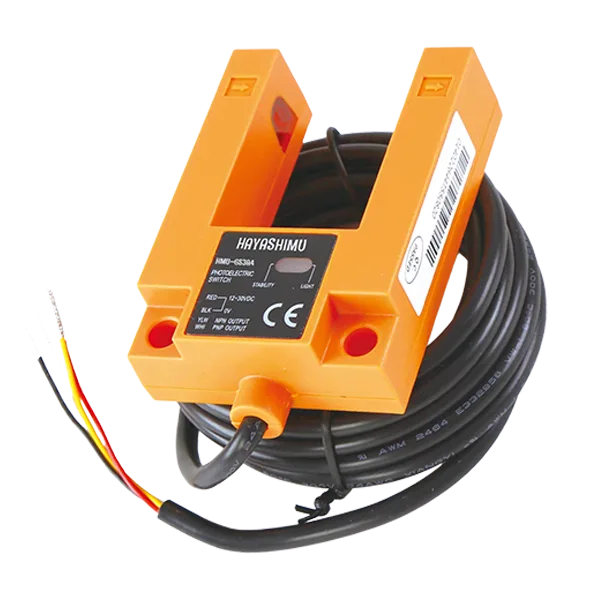
Elevator Photoelectric Switch
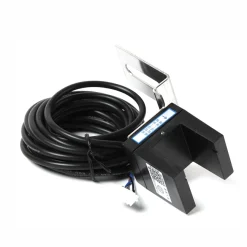
Ensure pinpoint accuracy and unwavering safety in your elevator systems with our high-performance Elevator Photoelectric Switch. Engineered for modern elevator controls, this sensor delivers rapid response times and flawless detection, ensuring smooth door operation and precise leveling under any condition.
Built to withstand the rigorous demands of commercial and residential elevator shafts, this switch combines versatile integration with industrial-grade durability.
Key Features & Benefits
-
Versatile Compatibility: With a broad power supply range of DC12~30V, this switch seamlessly integrates into a wide variety of standard and custom elevator control systems.
-
Universal Output Design: Featuring both NPN and PNP transistor output methods, it offers flexible wiring options, making it compatible with almost any PLC or mainboard setup.
-
Uncompromised Safety: Boasting a high insulation resistance of 1000VAC (50/60Hz, 1min), it provides superior protection against electrical surges and faults, keeping passengers and equipment safe.
-
Extreme Durability: Designed for harsh environments, it safely withstands storage temperatures ranging from a freezing -30°C to a blistering +80°C, guaranteeing long-term reliability in unconditioned elevator shafts.
How It Works: Core Mechanics & Components
Understanding the fundamental operation of elevator leveling switches is crucial for maintaining safe and accurate floor stops. The system relies on a seamless interaction between moving and stationary parts:
-
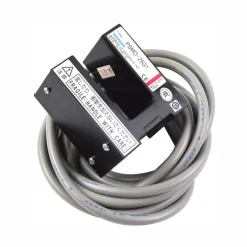
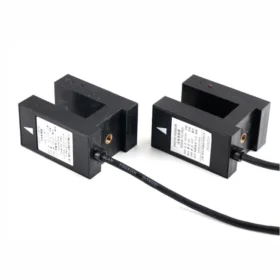
U-Type Sensor Housing (Emitter & Receiver): Typically secured to the top of the elevator cabin, this component features a distinct U-shaped slot. It houses both the infrared light emitter and the receiver in one unified, compact device.
-
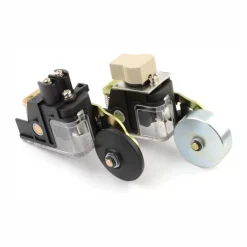
Hoistway Vanes (Shading Plates): These are vertical metallic plates installed at every floor landing within the elevator shaft. As the cabin reaches a floor, the vane passes directly through the sensor’s U-slot, breaking the light beam and triggering the precise stopping mechanism.
-
Precision Leveling Zones: To guarantee a perfectly flush landing, lift systems rely on a coordinated series of switches—managing the up, down, and exact leveling zones. This multi-sensor approach ensures the cabin decelerates safely and stops dead-level with the floor.
Maintenance & Troubleshooting Guide
When an elevator cabin stops slightly above or below the landing, or exhibits “hunting” (rocking up and down as it struggles to lock into the correct position), the leveling switch is almost always the source of the issue. Here is what to look for when diagnosing the problem:
-
Debris and Optical Obstructions: The harsh environment of an elevator shaft can lead to a buildup of dust, grease, or dirt inside the U-shaped slot. This debris can scatter or completely block the infrared beam, causing the sensor to malfunction.
-
Hardware Misalignment: For the switch to function, the clearance must be exact. If the car-top mounting bracket gets bent, or if the hoistway vanes become loose, the metal plate will not glide cleanly through the center of the sensor’s slot, leading to missed or erratic signals.
-
Component Degradation: Over years of continuous operation, the internal electronics—specifically the emitting LED or the receiving element—can slowly degrade. This wear and tear eventually leads to delayed reaction times or total sensor failure, requiring a full replacement.








Reviews
There are no reviews yet.